GUIDEcx
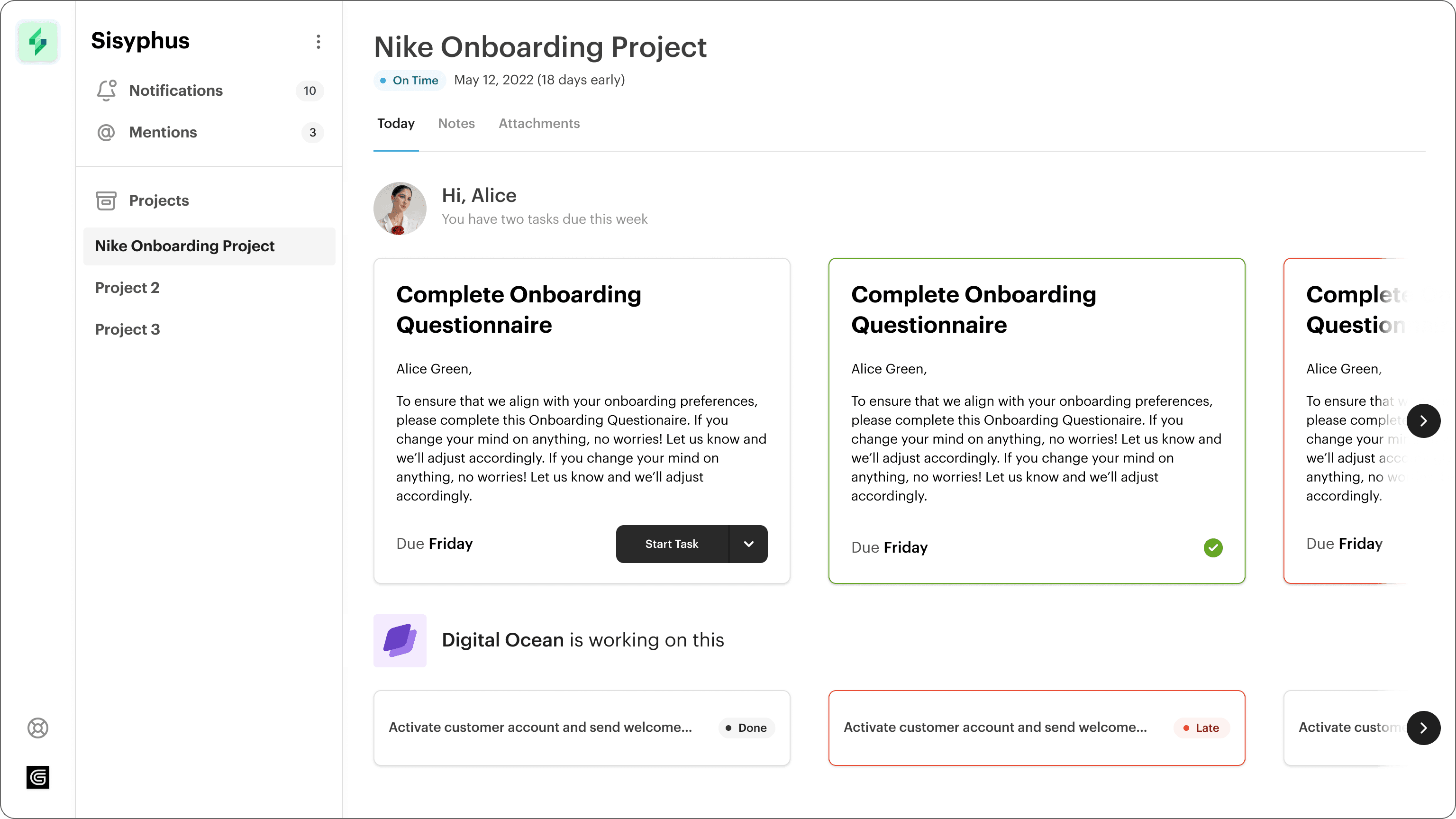
Compass, GUIDEcx's customer portal for tracking and managing projects
Role: Product Designer
Team: 1 designer, 5-7 engineers, 1 product manager
Platform: Web, web responsive
Timeline: 2022 - 2023
GUIDEcx is the leading client onboarding and project management platform that makes it simple to invite, guide, and engage internal and customer teams on any project.




GUIDEcx is the leading client onboarding and project management platform that makes it simple to invite, guide, and engage internal and customer teams on a project.
The GUIDEcx product team is split into 3 main pillars - Human, Trust, and Wisdom. I was the designer for the Human team, but my work has spanned to touch every aspect of our product pillars.
Primary Work
I focused on our end customer experience and the communication between our providers and their customers. My main project at GUIDEcx is Compass, our customer portal, which makes it simple for our customers (or as we call them, Providers) to interact with their customers. Compass provides visibility into onboarding and implementation projects and gives context to customers on what they need to do to move projects along.
Aside from Compass, I have worked on several other projects such as internal tooling for GuideCX employees, a design system overhaul, and navigational/information architecture changes to our main provider portal.
Process
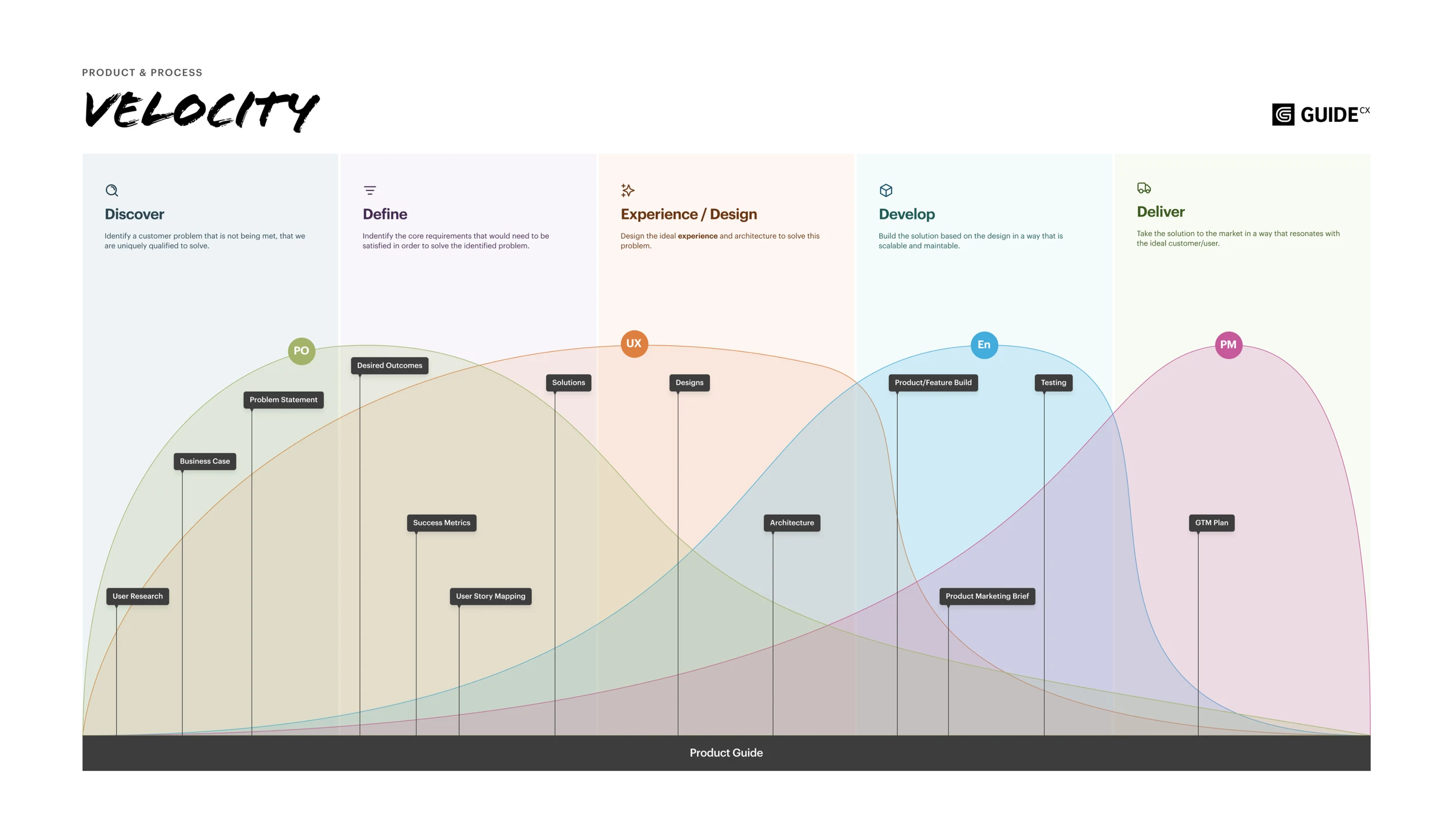
Our product and design process at GUIDEcx is based on the 5Ds framework. We aim to incorporate the key phases of Discover, Define, and Design plus Develop and Deliver. As a design team, we also focus on the Empathize, Define, Iterate, Prototype and Test phases as tools used within the Double Diamond approach
The Problem
This project was born out of the identification of a major problem in the GUIDEcx application - we were heavily focused on provider success, but failed to address the second half of client onboarding and implementations: our customers’ customers. Communication between our providers and their customers was lacking - we heard several reports of customers not engaging with our platform due to a lack of visibility into what tasks they needed to complete, when, and who to talk to. We have an entire team dedicated to onboarding our providers onto the GUIDEcx platform, and found that customers felt confused and overwhelmed when asked by providers to sign up and begin using GUIDEcx for projects.
How might we encourage end customer users to engage with their project managers and complete tasks and projects on time?
Gathering Insights
I used feedback submitted by providers via ProductBoard and Adobe, Heap, and Domo analytics data to drive further primary research as well as generative research through the use of user interviews and onsite observations for contextual feedback. My work focused on extensive research into the main problem of why providers were not inviting customers to their projects, and if they were, why they were not seeing high levels of engagement. I heard the same sentiment from every provider I spoke to: the GUIDEcx application was fantastic for their needs, but too robust and often too revealing for their customers. Providers were hesitant to invite customers to their GUIDEcx instance. Some standout reasons included:
There was too much information unrelated to the customer or their specific project
It was unclear what a customer needed to do to move a project forward
It was unclear what a customer would see versus an internal provider
Providers wanted a simpler way to communicate to their customers and give them a quicker, simplified view into the project
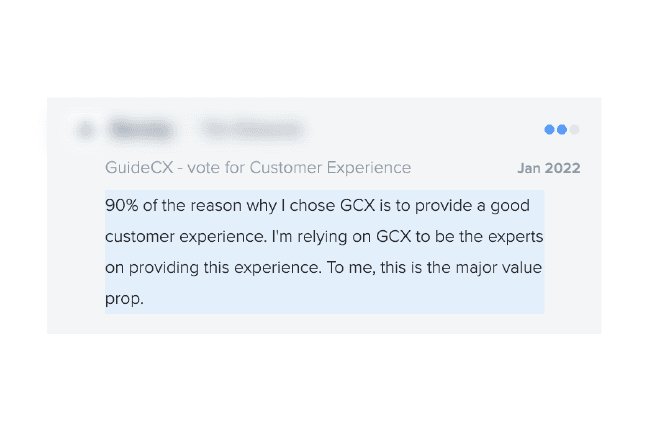
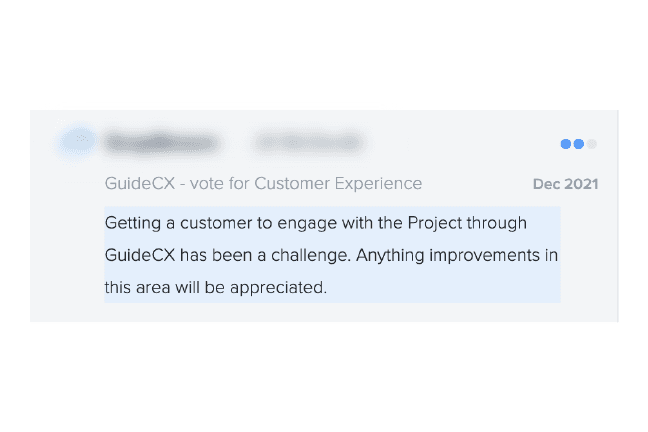
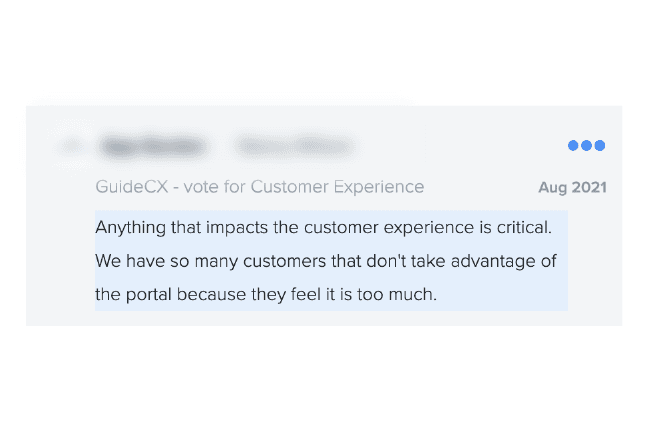
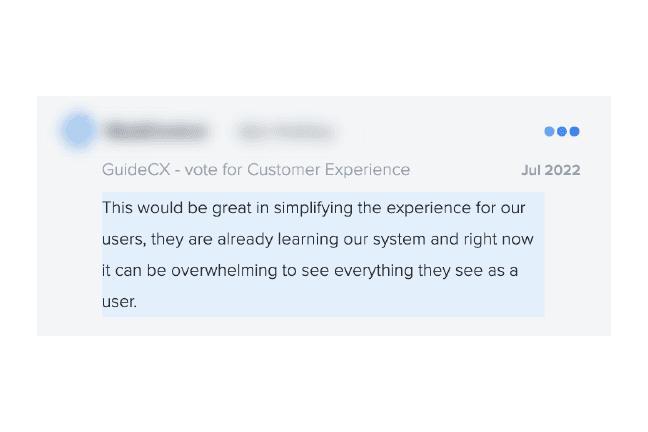
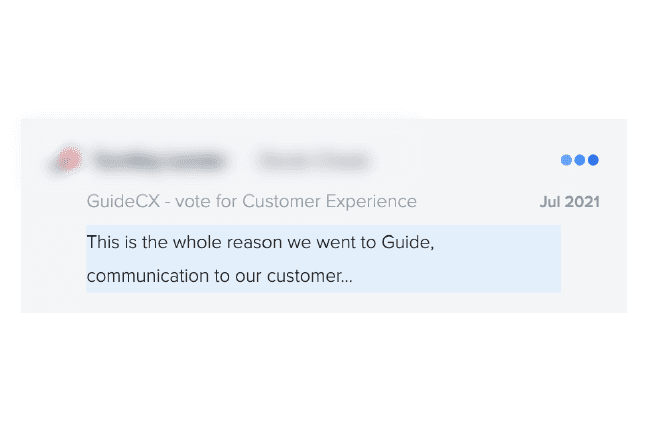
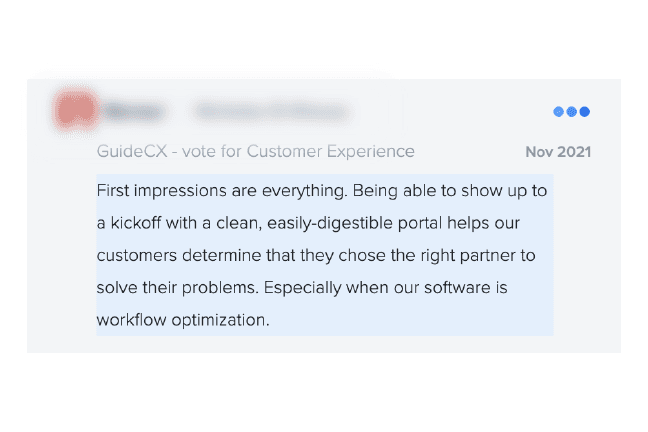
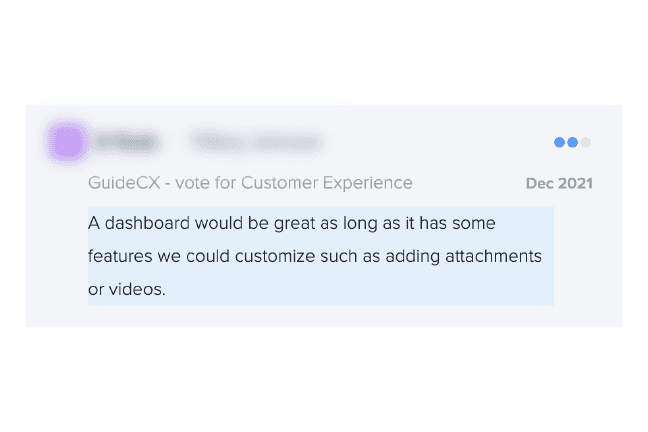
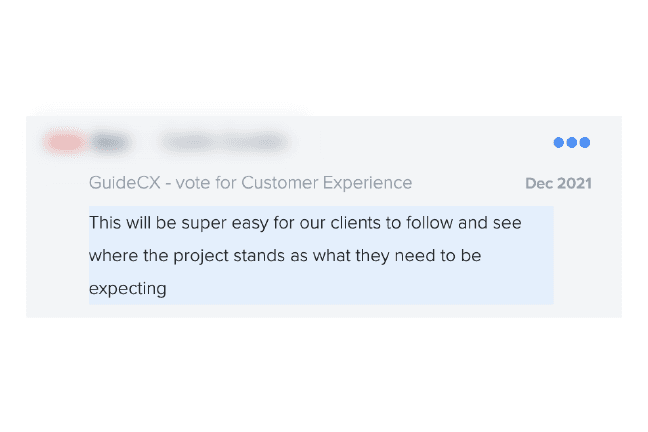
From these insights, it was clear that our application was too robust for most customer needs. We quickly identified 4 main questions for a customer persona:
- What do I need to do?
- When do I need to do it?
- How do my tasks fit into the project?
- Who do I go to if I run into problems?
From these main questions, the initial idea of our customer portal was created with the purpose to streamline communication between providers and their customers. I worked alongside my product manager to speak with providers and their customers to understand what functionality from our application they would like to see in a customer portal, what was unnecessary, and ultimately what they cared about for successful, healthy projects.
Early Concepting
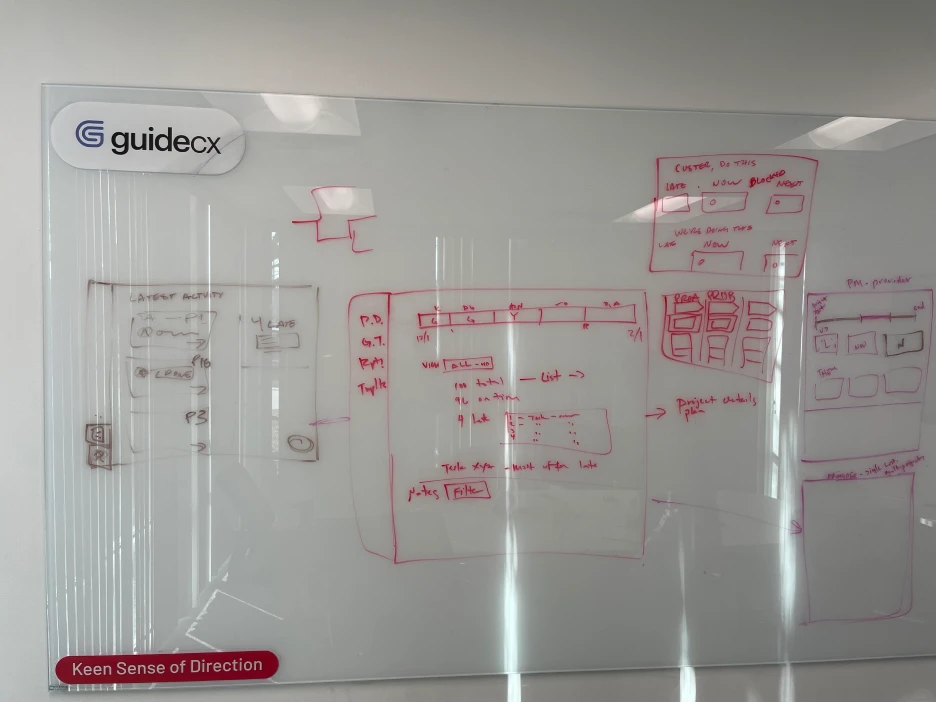
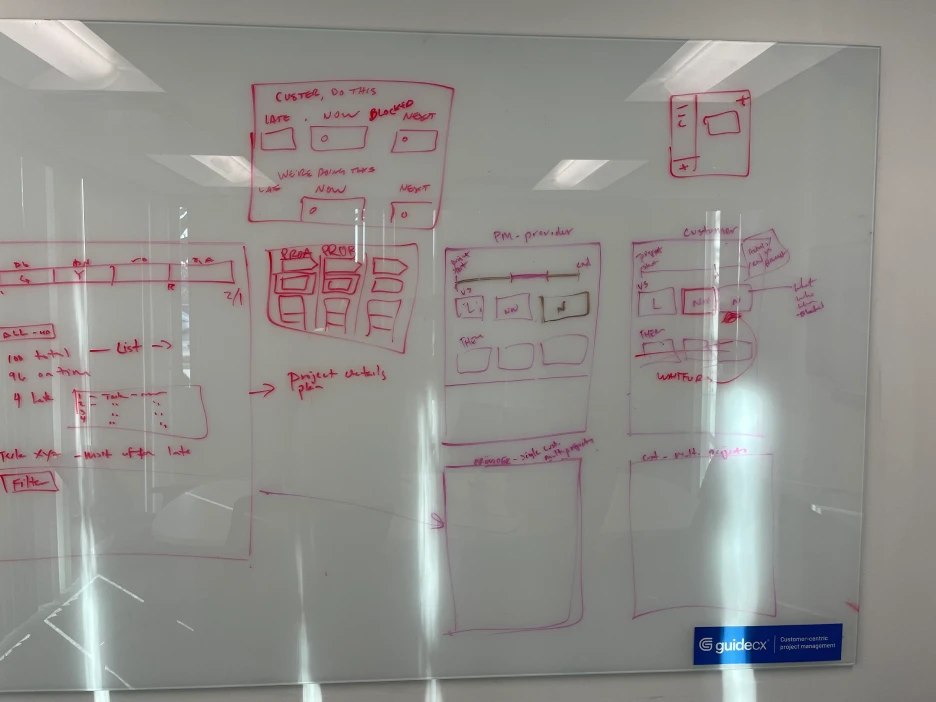
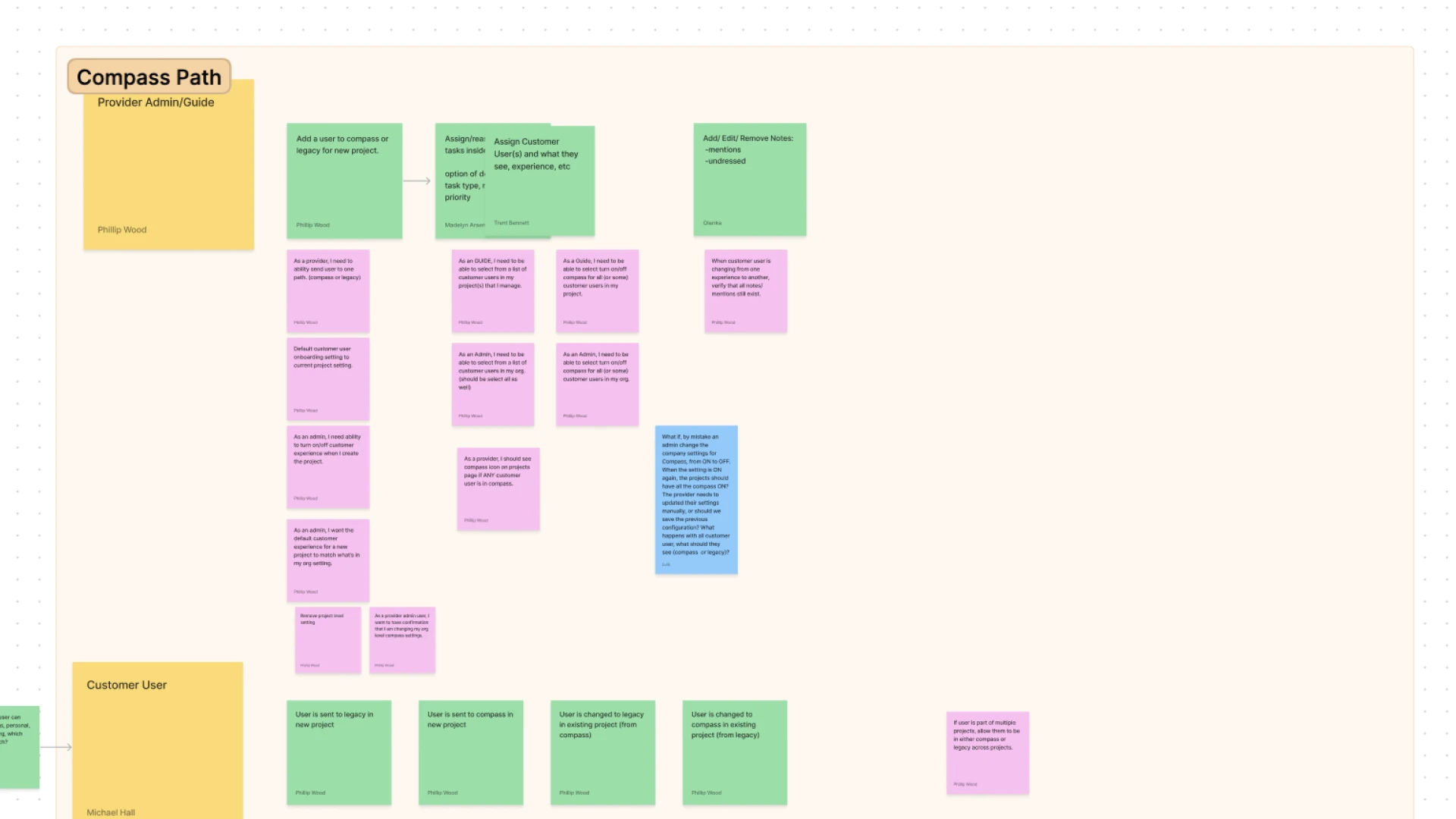
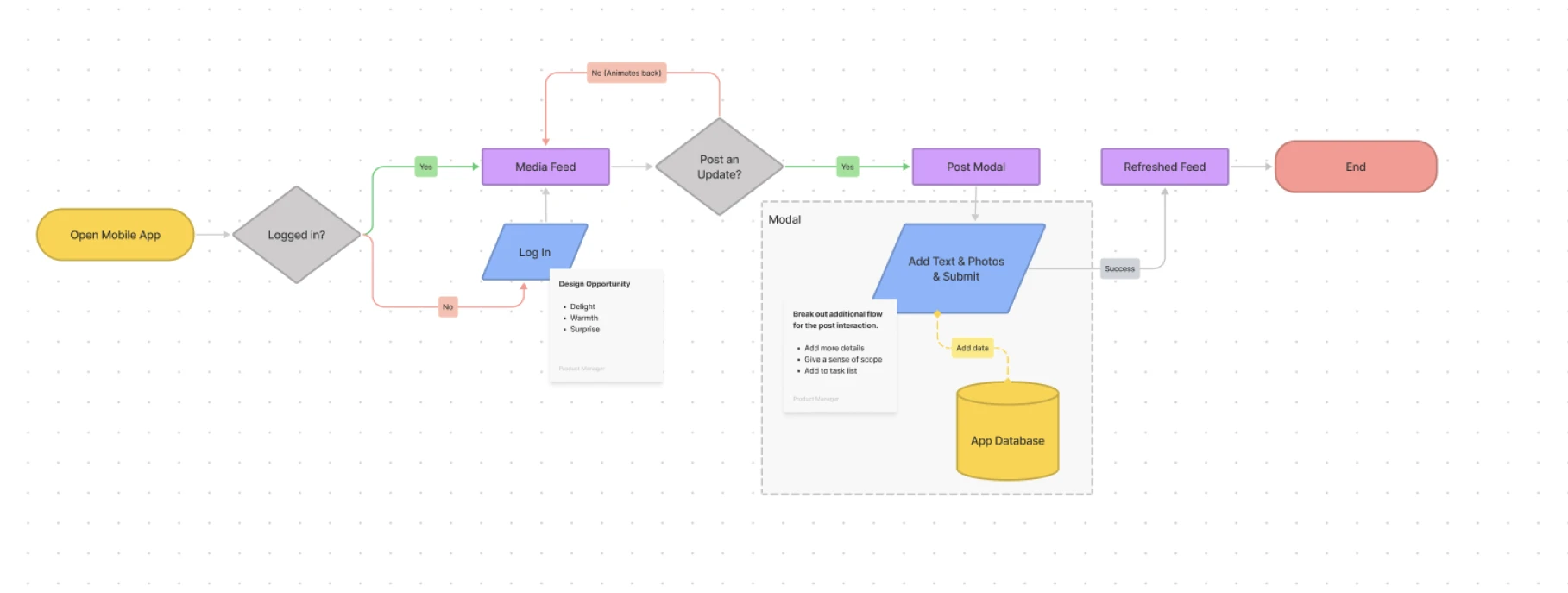
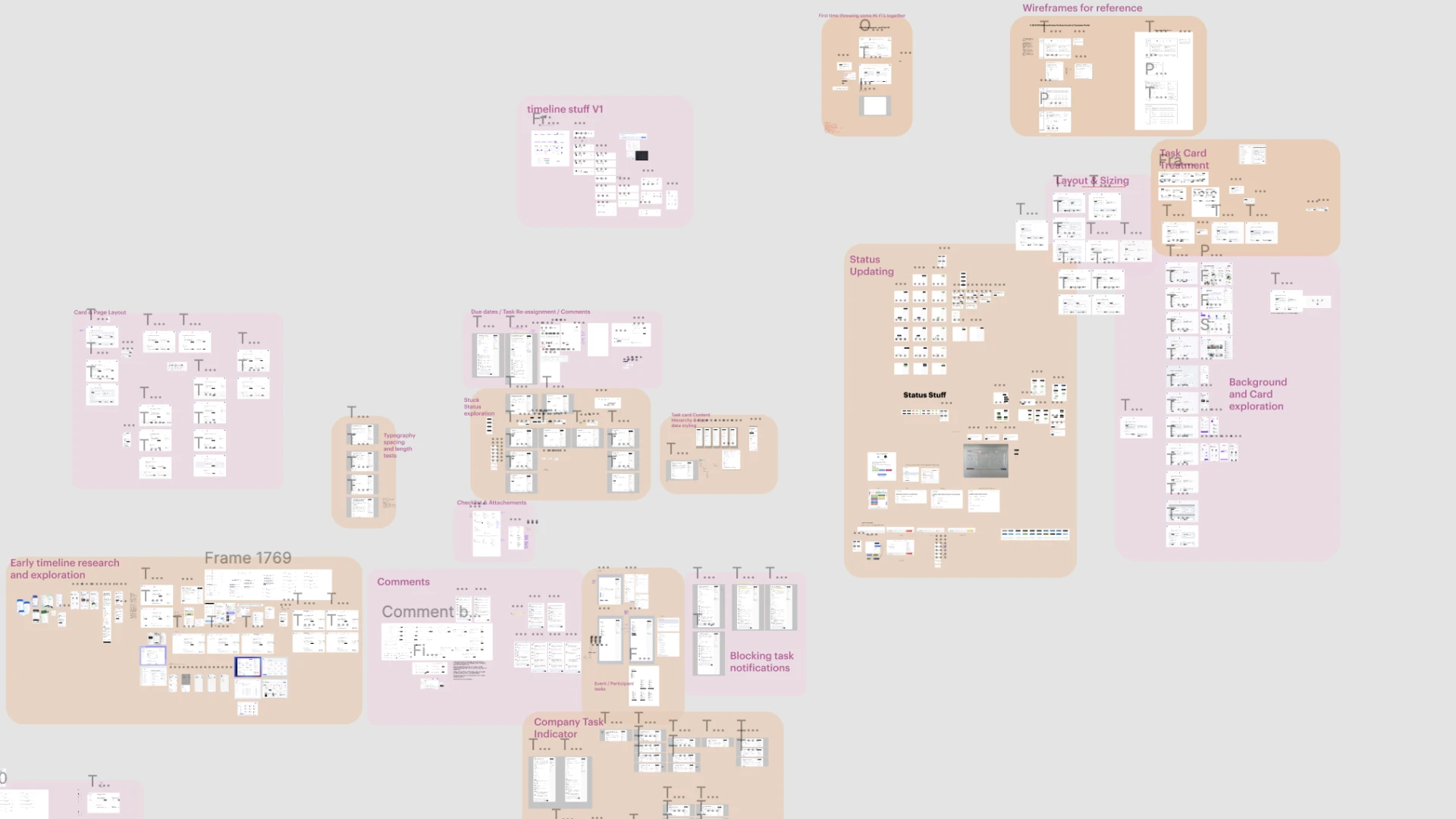
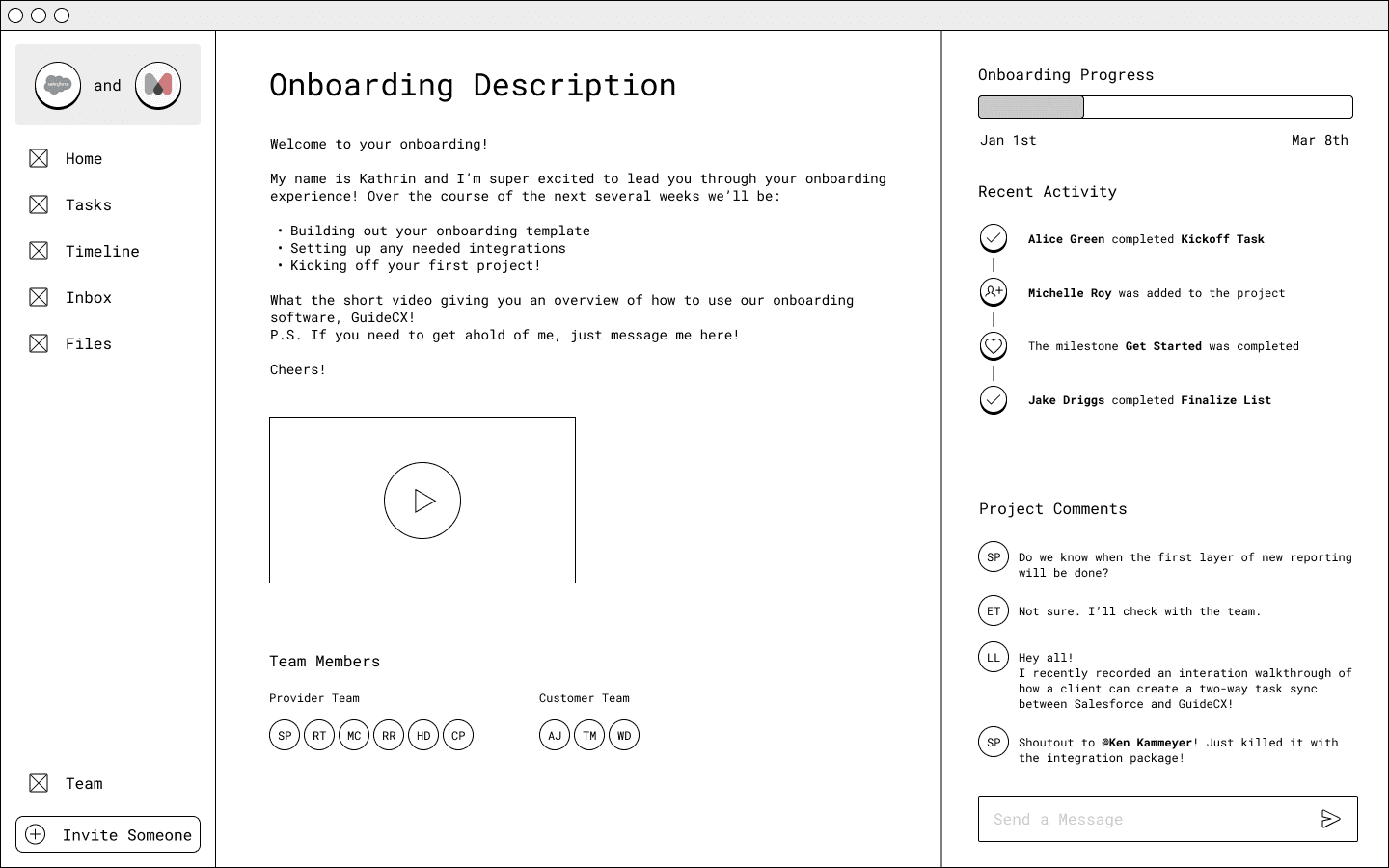
I moved onto sketches that quickly turned into fast and scrappy low fidelity wireframes to put in front of our providers. I consistently got feedback from providers and spoke with roughly 10 providers on early concepts for the today page and task modal. During this time, I also connected with several of the engineers on the customer portal team. By keeping them involved in the early stages and looping them in on where the designs were, they were able to see wireframes and understand if what I was creating would be out of scope and if we would need to scale back work for a summer (Q2) release.
Following user research and extensive usability testing, I moved onto a proof of concept for Compass. This involved a mid to high fidelity prototype that was tested with several GUIDEcx providers and internal employees. With feedback from those tests, we had a great jumping off point to begin official work on Compass.
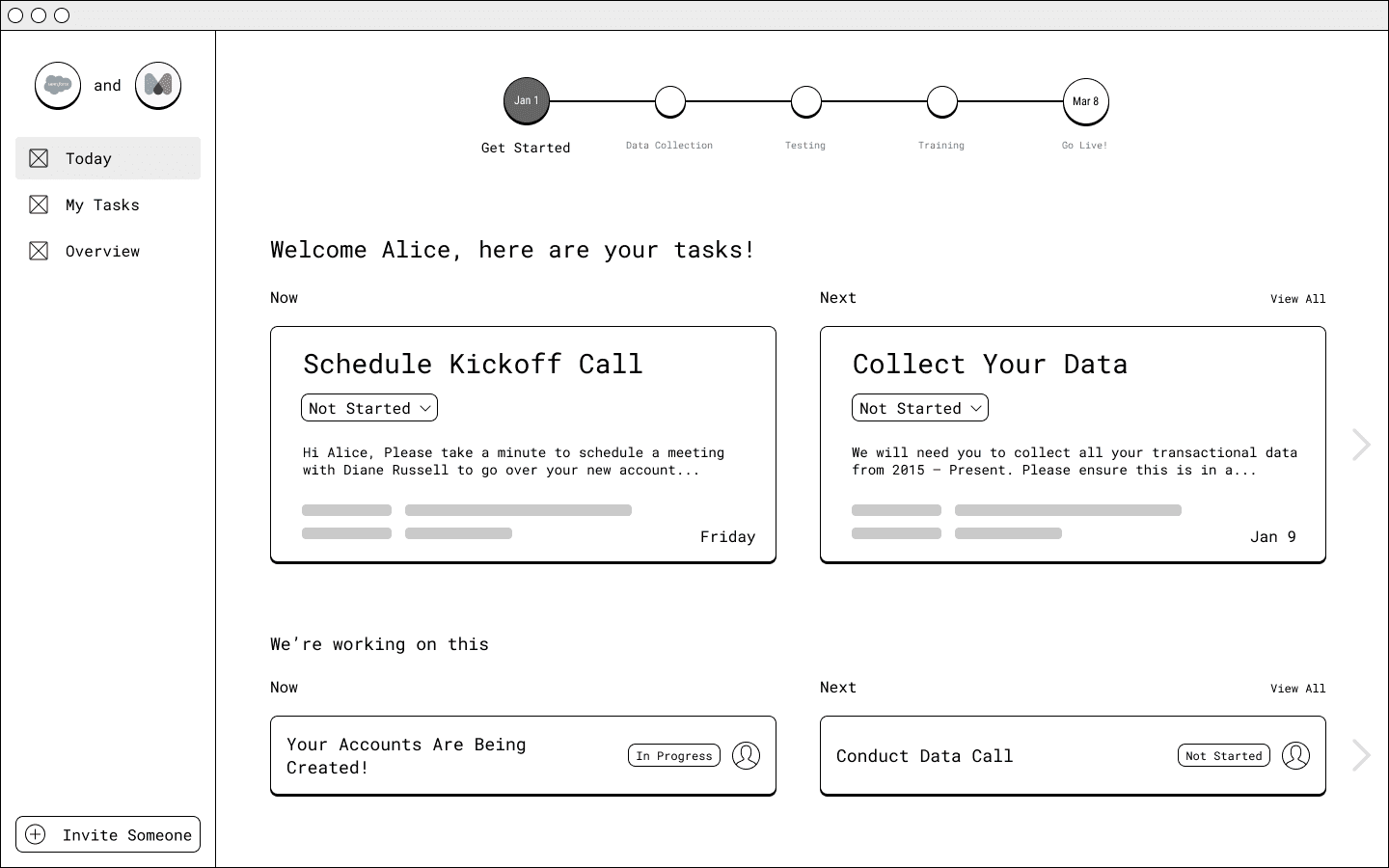
Today Page
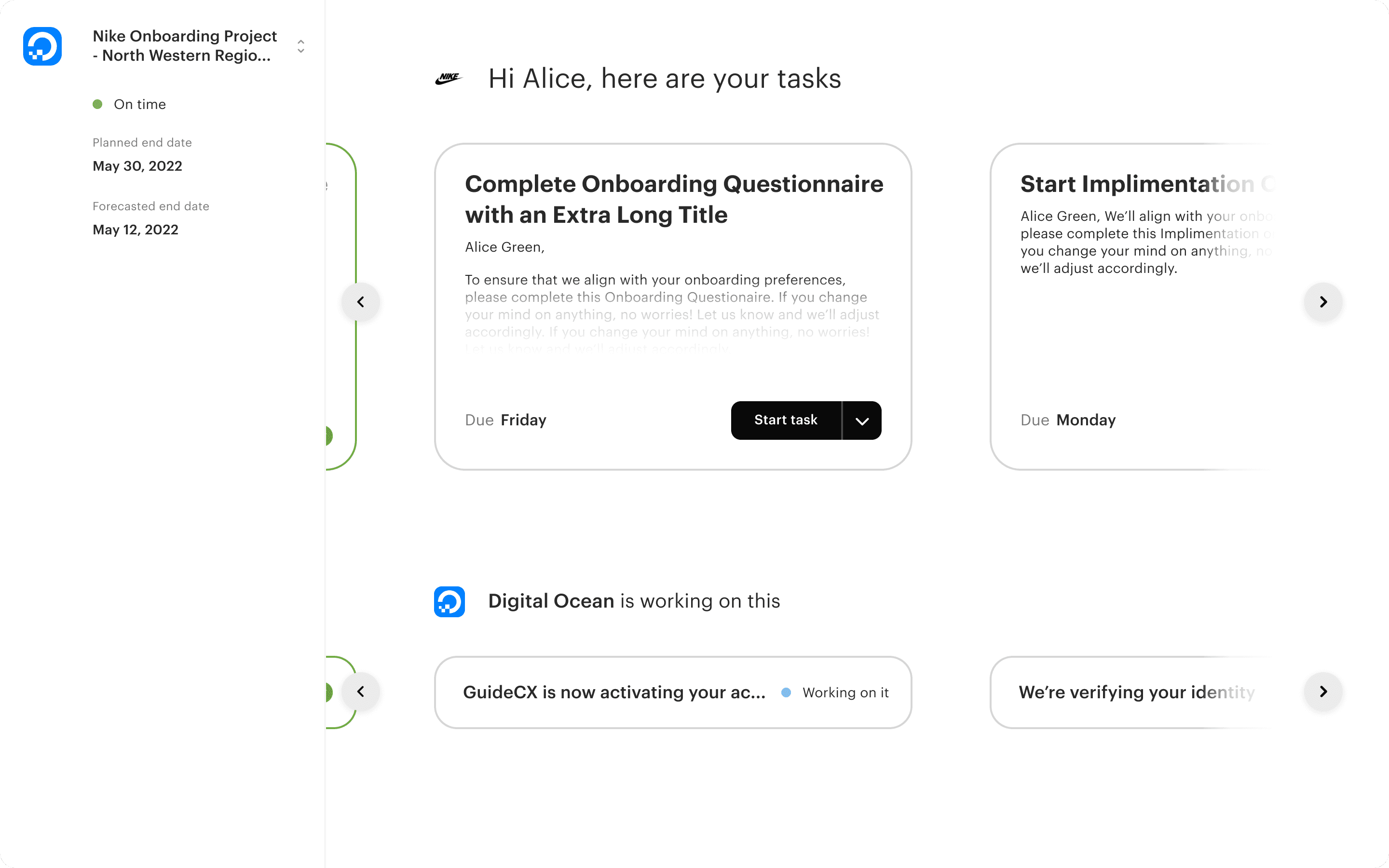
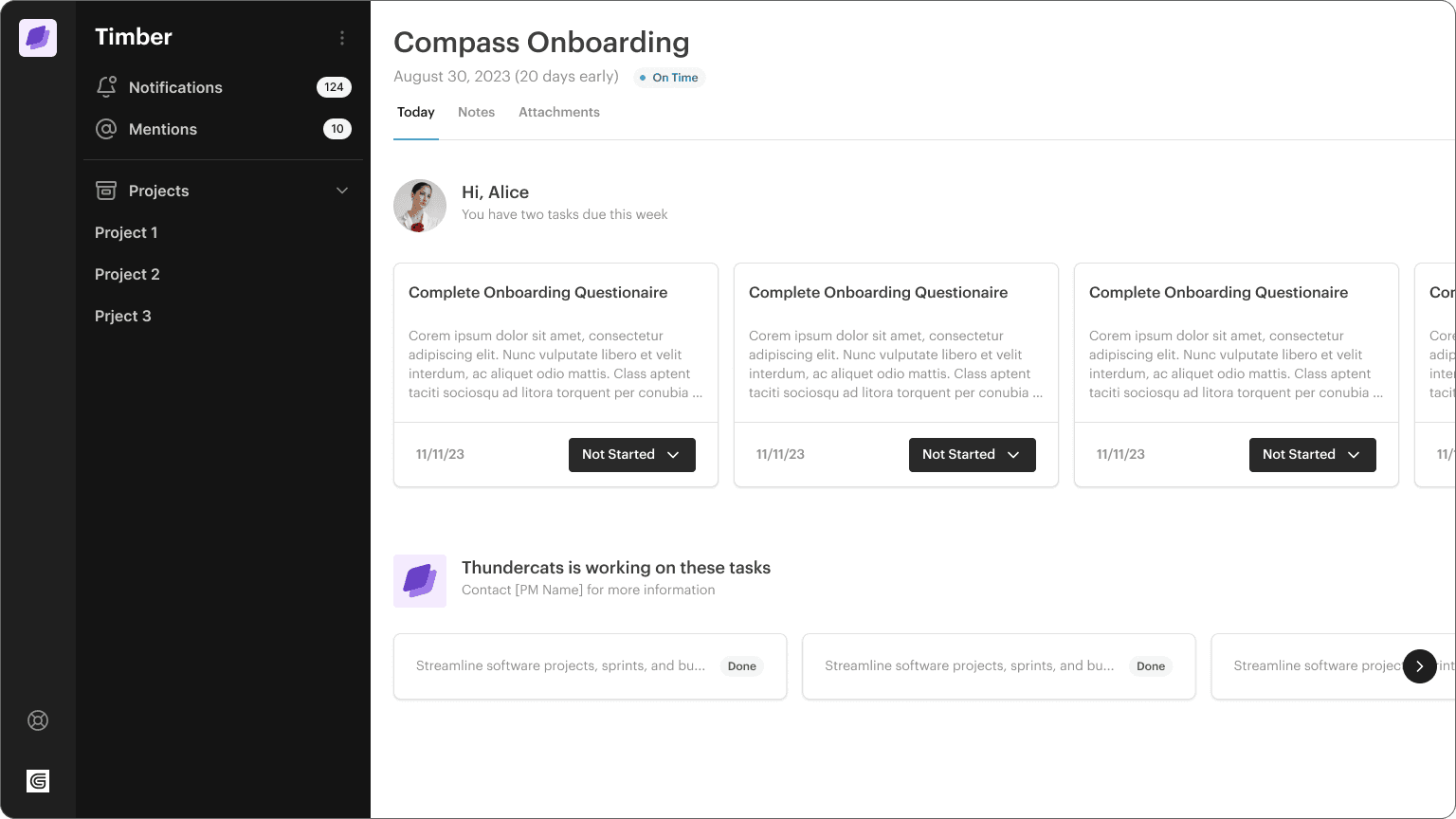
The “Today” page would serve as the landing page - displaying vital project information such as upcoming and in flight tasks that both the customer and provider are working on - answering the “What do I need to do?” and “When” questions from the get go.
Project Overviews
The project overview or task modal would display vital information related to the project and the customer’s individual tasks. They would be able to communicate with their provider point of contacts as well as see how their tasks fit into the overall project.
Compass Release Timeline
Compass was released to our providers in a beta phase in July 2022. Following some significant scope cuts, Compass was released with the core functionality of the today page, task modal, and project switching.
Compass Beta Release - July 2022
Within the task modal, customers could upload files, add task notes, and mark tasks as in progress, stuck, or done. After tracking for several months, we found that customers who were using Compass were engaging (changing task status, adding notes, etc) at a 2.2x higher rate than customers in our provider application
This update encompassed (pun intended 😉) an update to our new unified Timber design system, more user customization settings, and an update to side bar and primary navigation.
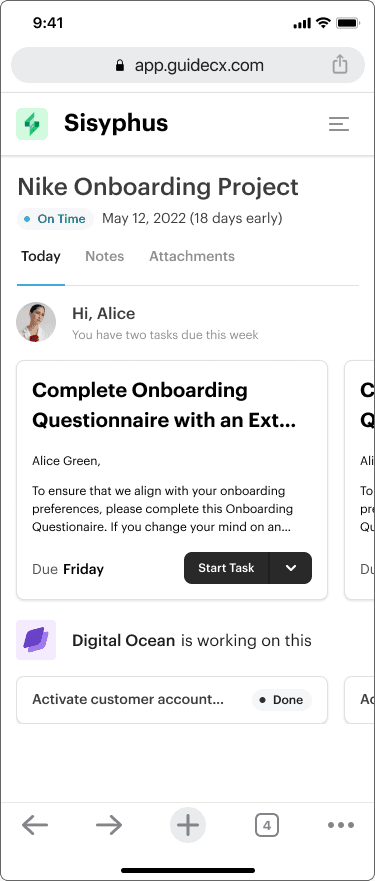
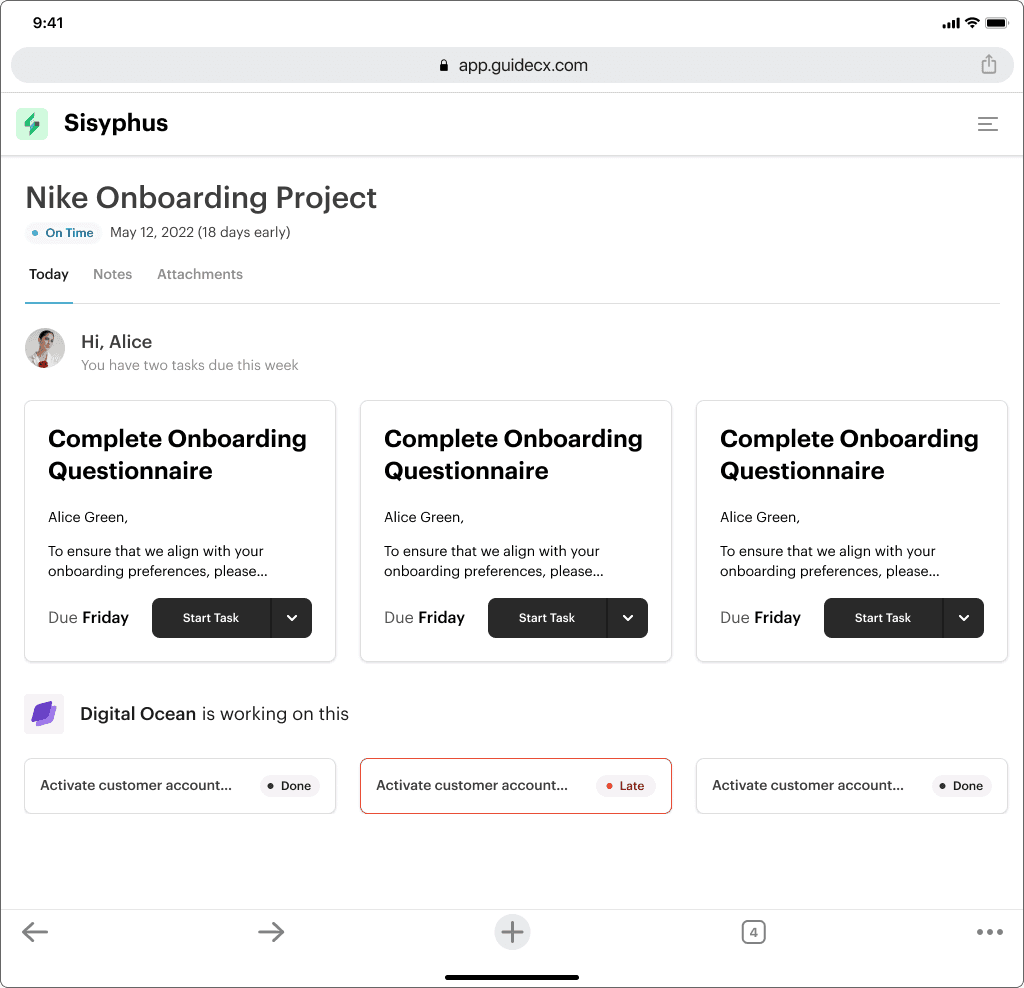
One major problem with our legacy provider application and previous design system was a lack of mobile responsive components. Compass wasn’t released as mobile friendly - this was cut back from the scope due to the July 2022 release and got pushed to the sidelines for other initiatives. This marked all aspects of Compass being mobile responsive for all the most common breakpoints.
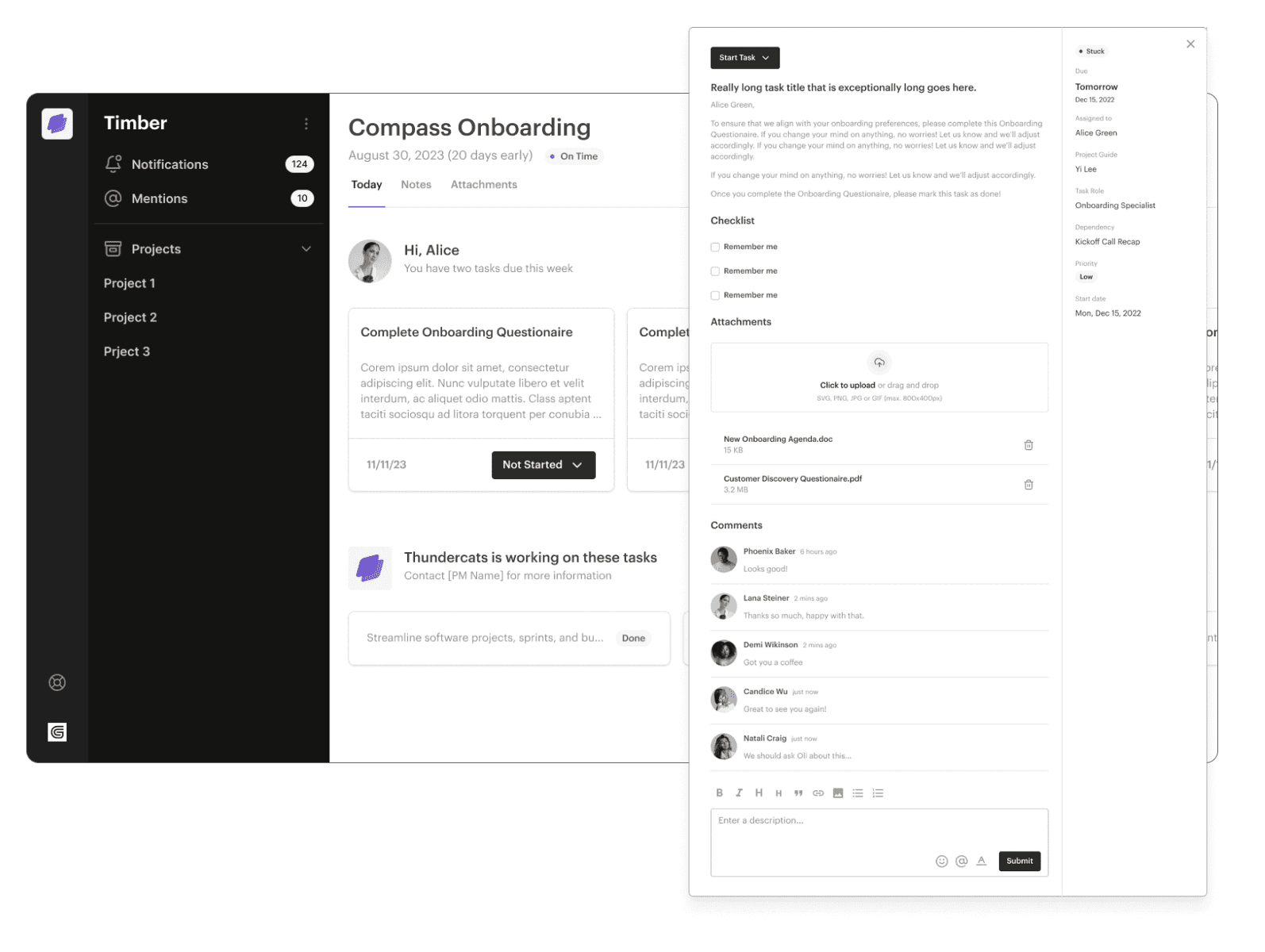
April marked Compass making the full switch to our new design system Timber, allowing for developers and designers both to stop maintaining 3 separate systems (our legacy provider app, the Compass application, and our new system) at once and migrate all of our patterns, fonts, colors, etc to Timber.
Q2 and through the end of Q3 proved to be a busy quarter for us. We released project level notes, project level attachments, and added in functionality for customers to add new users to Compass as well as reassign tasks.
Success Metrics
Usage
3,000+ active monthly users in Compass, 10,000 monthly users total in our applications
Efficiency
Providers with 3+ users in Compass have a 71% on time project completion rate - 5 or more have 91%
Engagement
Customers in Compass engage at a 2.2x higher rate than customers in our legacy provider application
Results and Reflection
After the Compass V1 release, GUIDEcx has seen a 2.2x increase in customers who engaged with Compass rather than our legacy application geared toward our providers. Providers who have Compass turned on for their customers see a higher rate of engagement in task status updates and completion and communication via notes.
Since our initial release, we have iterated several times and updated Compass with new features such as the ability for customers to add other users to a project and reassign tasks if needed.
Compass customer engagement (updating task statuses, uploading attachments, adding task notes, etc) is 33% higher than customers who continue to use the GUIDEcx legacy application built for our providers. We have also seen a significant increase in positive feedback around the customer experience, and have found that projects where 3 or more users are added to a project have a 91% on-time completion rate.
Overall, the initial release of Compass plus additional enhancements have saved our providers time and increased the pleasurability of interacting with their customers and completing projects. This is just the beginning of the customer team’s ongoing efforts to continue to enhance and delight our users as we strive to build the best onboarding and implementation software in the game.
We are continuing to track Compass engagement and have seen a consistent upward trend as more providers and customer users utilize our customer application. My current initiatives are around improving the provider experience for inviting customers to Compass by identifying key players in a project in what we are calling “Customer Team Builder”.
If you got this far, thanks for reading!